Living in Honolulu Hawaii
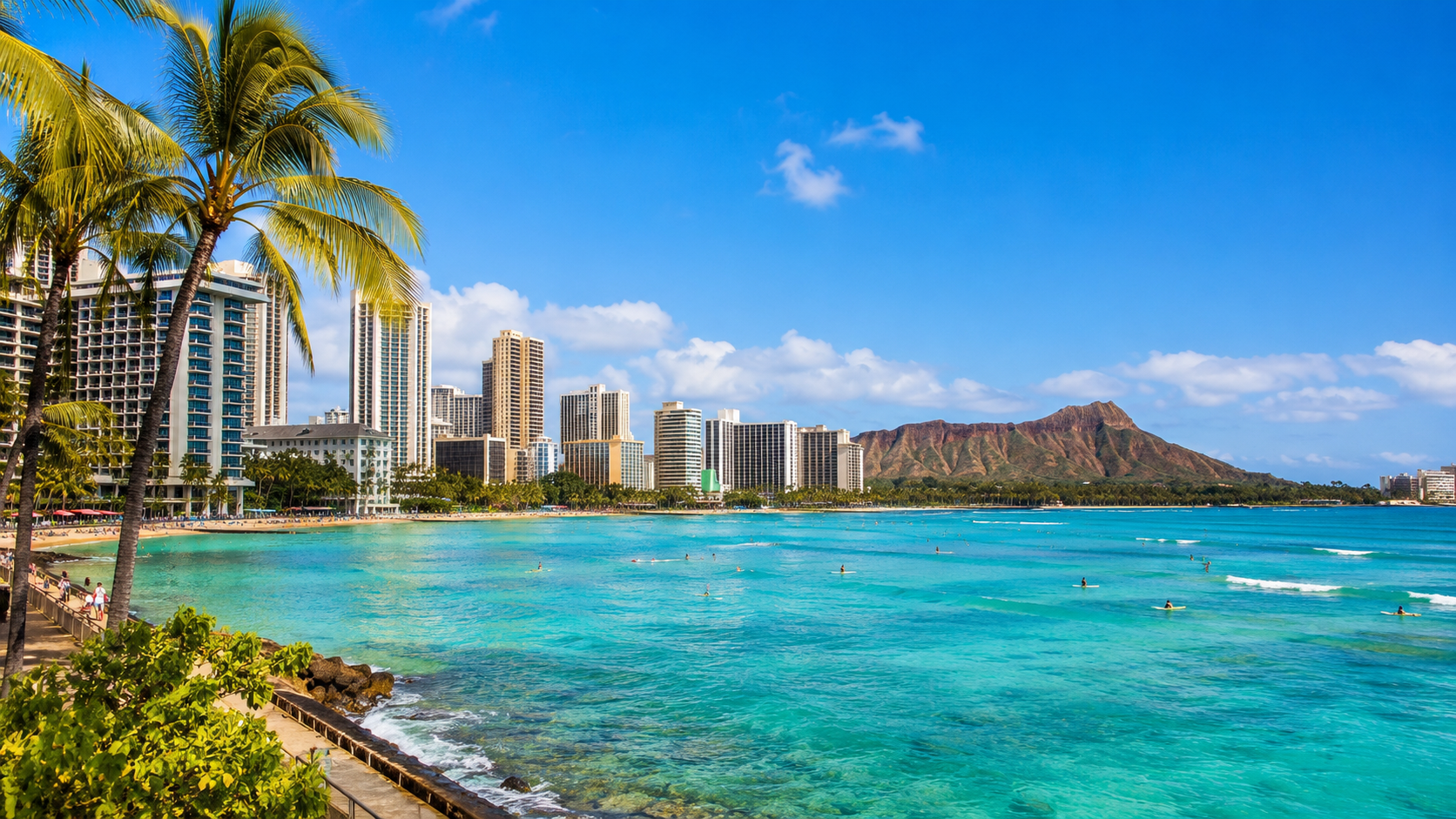
Honolulu sits on Oʻahu’s southern coast and serves as Hawaiʻi’s main urban center. Downtown, Waikīkī, residential neighborhoods, and mountain valleys create very different living environments.
Because housing and traffic vary significantly, location strongly affects daily convenience. Therefore, compare work, schools, shopping, and transportation before moving.
Choosing a Honolulu Neighborhood
Waikīkī provides high-rise living, beaches, restaurants, and tourism activity. Meanwhile, neighborhoods such as Mānoa, Kaimukī, Hawaiʻi Kai, and Makiki offer different residential settings.
Parking can be limited in denser areas. Consequently, review building parking, street conditions, and commute routes before choosing a property.
Housing in Honolulu
Honolulu offers condominiums, apartments, townhomes, older houses, and luxury properties. However, housing costs and maintenance responsibilities can vary sharply.
Before purchasing, review zoning, building permits, flood zones, and condominium documents. Honolulu publishes FEMA flood information for properties within designated hazard areas.
Working in Honolulu
Employment opportunities include government, healthcare, tourism, education, finance, construction, military-related services, and professional industries.
Because employment centers are distributed across urban Honolulu, commute time should guide the housing search.
Getting Around Honolulu
Residents use personal vehicles, buses, walking, cycling, and rail depending on location.
TheBus operates an extensive Oʻahu network with current routes and timetables available online. Therefore, check service from the exact property before relying on transit.
Preparing for Island Weather
Honolulu experiences warm temperatures, trade winds, heavy showers, tropical storms, and occasional flooding.
Coastal residents should also understand tsunami evacuation zones. Honolulu Emergency Management provides address-based tsunami maps and hurricane preparedness resources.
Honolulu Schools and Enrollment
Hawaiʻi uses one statewide public school system. Families can use the Hawaiʻi Department of Education SchoolSite Locator to research schools serving an address.
Therefore, confirm the assigned school before leasing or buying.
Parks and Outdoor Recreation
Honolulu provides beaches, neighborhood parks, botanical gardens, trails, sports facilities, and waterfront recreation.
The City and County of Honolulu maintains parks throughout Oʻahu and offers year-round recreational programs.
Setting Up Honolulu Utilities
Hawaiian Electric serves Oʻahu and allows customers to start, stop, or move qualifying electric service.
Before moving, also confirm water, sewer, trash, recycling, internet, and building-specific responsibilities.
Final Thoughts
Honolulu Hawaii combines metropolitan amenities, beaches, employment, and cultural attractions. However, housing costs and transportation require careful planning.
Most importantly, compare parking, schools, flood exposure, utilities, traffic, and property fees before choosing your home.