Discover the best restaurants in Hilo Big Island. Find your next favorite place to eat nearby. From classic American favorites to Southern specialties – there’s something for everyone.
Embrace the celebrations of Hilo Big Island annual events. Join in the festivities, experience local culture, and create lasting memories. Be part of the excitement!
Hilo Big Island offers lush tropical scenery, local schools, healthcare, university resources, and convenient East Hawaiʻi services. However, newcomers should carefully compare rainfall, flooding, housing, utilities, and island travel.
Living in Hilo Big Island
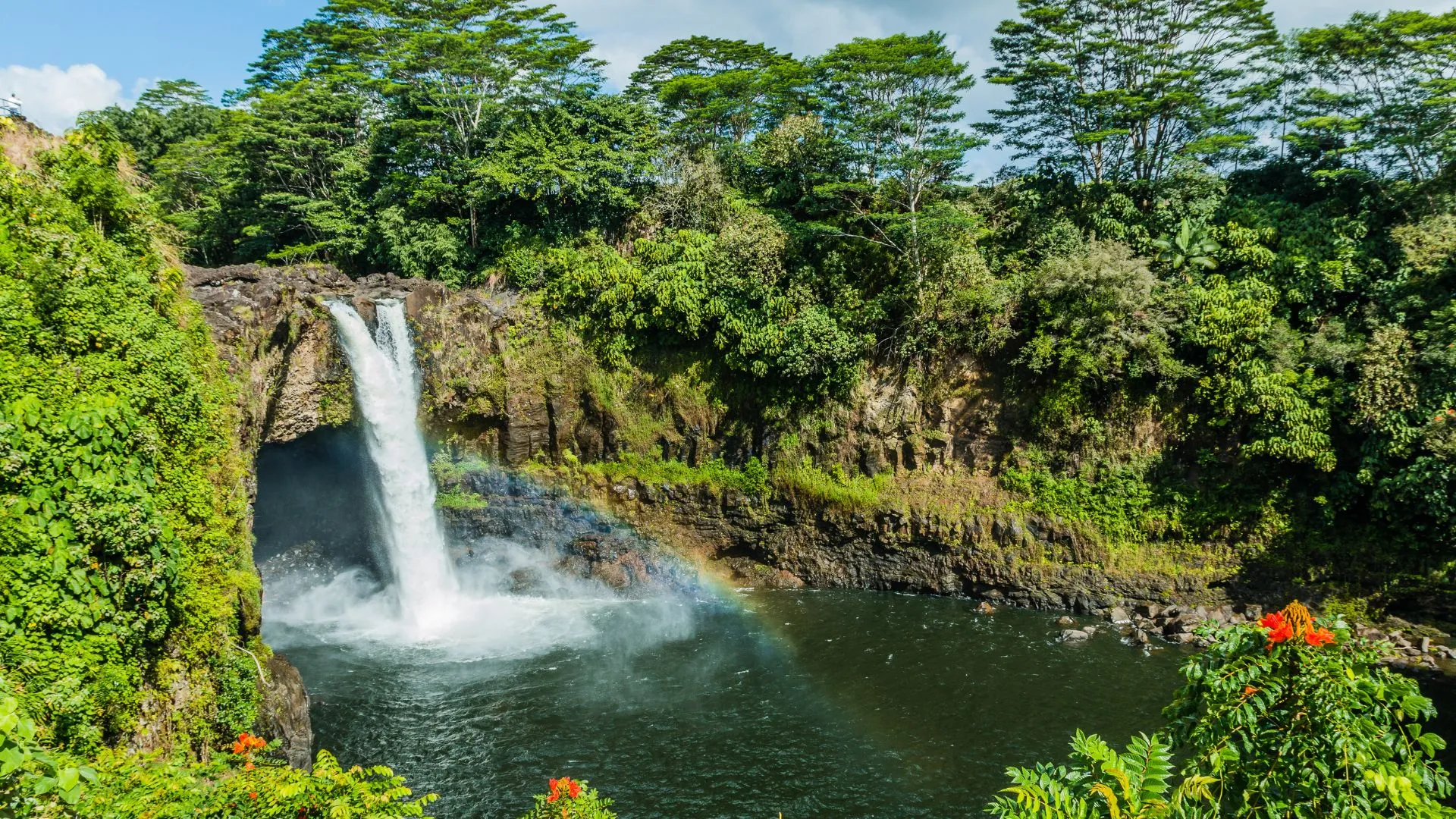
Hilo sits on the northeastern side of Hawaiʻi Island and serves as the island’s largest population center. Additionally, the community combines Hilo Bay, tropical gardens, waterfalls, shops, and essential regional services.
Although Hilo feels more developed than many Big Island communities, island distances remain significant. Therefore, consider work, shopping, and medical travel before choosing a home.
Choosing a Hilo Neighborhood
Central Hilo provides convenient access to downtown, schools, healthcare, shopping, and the bayfront. Meanwhile, neighborhoods farther uphill may offer more residential surroundings and broader views.
Because rainfall and drainage vary by location, inspect each property carefully. Additionally, compare road access, elevation, utilities, and commute times.
Housing in Hilo
Hilo offers apartments, condominiums, older plantation-style homes, detached houses, and properties with larger tropical lots.
Before purchasing, review zoning, permits, drainage, and parcel conditions. Hawaiʻi County identifies Hilo within its South Hilo zoning district and publishes official zoning maps.
Flooding and Heavy Rain
Hilo’s wet climate makes drainage and flood research especially important. Therefore, buyers should review official flood maps before purchasing or building.
Additionally, examine driveway access, nearby streams, retaining walls, and low areas during property visits. Insurance needs may also vary by location.
Tsunami and Coastal Considerations
Properties closer to Hilo Bay require additional coastal hazard awareness. Consequently, newcomers should learn local evacuation procedures and identify safe routes inland.
Hawaiʻi County also maintains hazard and emergency mapping resources. Therefore, review the exact property rather than relying only on neighborhood descriptions.
Working in Hilo
Employment opportunities include healthcare, education, government, tourism, retail, construction, agriculture, and professional services.
The University of Hawaiʻi at Hilo also contributes education, employment, athletics, and cultural activity.
Because island job markets are smaller than mainland metropolitan areas, confirm employment arrangements before relocating.
Getting Around Hilo
Most residents rely on personal vehicles for everyday transportation. However, Hawaiʻi County’s Hele-On system provides local and island-wide bus service.
Current routes connect Hilo with Kailua-Kona, Pāhoa, Volcano, Ocean View, and other communities. Additionally, Hele-On currently offers fare-free fixed-route service.
Hilo International Airport
Hilo International Airport provides convenient interisland and selected passenger services from East Hawaiʻi. Therefore, residents do not need to cross the island for every flight.
Still, some travel itineraries may offer more choices through Kona or Honolulu. Compare total travel time before booking.
Preparing for Hilo Weather
Hilo is known for frequent rainfall, humidity, warm temperatures, and rapidly changing tropical conditions. Consequently, moisture control is an important housing consideration.
Before moving, inspect ventilation, roofing, drainage, and signs of persistent dampness. Additionally, prepare for tropical storms and occasional power disruptions.
Volcanic Hazards
Living on Hawaiʻi Island also requires awareness of volcanic hazards. However, risk varies greatly depending on the property’s location and lava-hazard zone.
Therefore, review current county and state hazard information before buying outside central Hilo. Avoid assuming that every East Hawaiʻi property carries the same exposure.
Hilo Schools and Enrollment
Hawaiʻi operates a statewide public school system rather than separate city school districts. Families can use the Hawaiʻi Department of Education School Finder to identify schools by island, area, type, and grade.
Enrollment requires eligibility and supporting documentation. Therefore, review current state enrollment procedures before moving.
Higher Education
The University of Hawaiʻi at Hilo provides undergraduate and graduate education within the community. Additionally, Hawaiʻi Community College expands local academic and workforce opportunities.
As a result, Hilo offers educational resources uncommon in many smaller island communities.
Parks and Outdoor Recreation
Hilo provides bayfront recreation, tropical gardens, waterfalls, parks, hiking, fishing, and nearby rainforest scenery.
Additionally, Hawaiʻi Volcanoes National Park is roughly 45 minutes south of Hilo. Therefore, residents can access major outdoor destinations without crossing the island.
Shopping, Dining, and Community Life
Downtown Hilo offers local restaurants, shops, markets, galleries, and historic buildings. Meanwhile, larger commercial areas provide groceries, household services, and everyday retail.
Community life also includes university events, cultural programs, farmers markets, and island festivals. Consequently, Hilo functions as an important activity center for East Hawaiʻi.
Setting Up Hilo Utilities
Hawaiian Electric serves electricity customers on Hawaiʻi Island and allows customers to start, stop, or move qualifying service. Current requests generally require advance notice.
Water, wastewater, trash, internet, and other services may depend on the exact property. Therefore, verify every provider before signing a lease or purchase contract.
Final Thoughts
Hilo Big Island combines tropical scenery, regional services, education, outdoor recreation, and a strong East Hawaiʻi identity. However, island living requires property-specific planning.
Most importantly, compare rainfall, drainage, flood exposure, utilities, schools, transportation, and employment before choosing your home.